Practitioner Ethics
Ethical training for spiritual, therapeutic, energy and multidimensional practitioners exploring discernment, safeguarding and responsible practice
A foundational practitioner ethics training for those working across therapeutic, spiritual, energetic and multidimensional fields
Exploring the responsibilities of holding space, working with power and vulnerability, navigating intuition and unseen realms, maintaining clear boundaries, and developing the self-awareness and discernment required to practise with integrity.
16 hours of recorded teaching · 16 modules · Self-paced · Option for accreditation
To be a practitioner means to know about conduct, ethics with working with peers, with different groups and keeping the ego in check.
Transitioning into Ethical Practice
From being trained in a modality to becoming a responsible practitioner
In these transformative times, many individuals are drawn to therapeutic and spiritual vocations. This shift often stems from natural gifts, intuition, and a deep desire to help others. However, while these attributes are valuable, they are not sufficient preparation for the ethical and practical realities of professional practice.
Being a practitioner involves much more than simply offering help, it requires a thorough understanding of conduct, ethics, and the dynamics of working with peers, diverse client groups, and within one’s own personal limitations. A common challenge for emerging practitioners is navigating over-enthusiasm, which can lead to ungrounded work or an inflated sense of their capacity.
Ethical practice asks us to continually examine how we show up, what we bring into the space, and how our presence affects the people we work with.
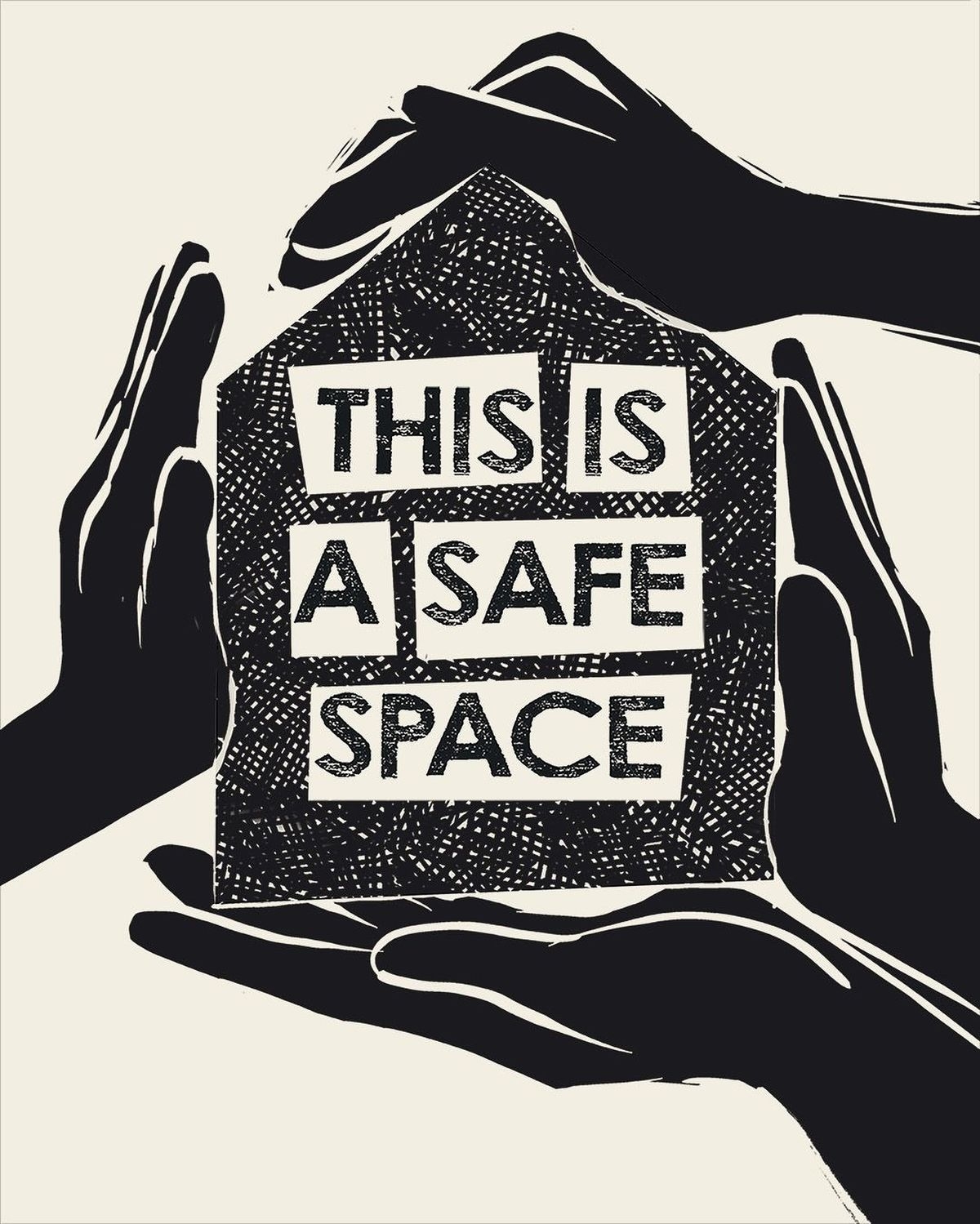
What happens when a client projects authority onto you? What happens when you see something you believe the client needs to know?
Where does your responsibility end?
How do you recognise when you are outside your scope? What happens when personal, professional and energetic boundaries become blurred?
How do you work ethically with power, privilege and cultural difference? How do you hold space without becoming the rescuer?
To address these challenges, Dharma STARS brings you this ethics course to ensure you can become mindful and strive for impeccability in your work. This course serves as a foundation for self-enquiry and for piloting small-scale interactions with clients from a safer and more informed footing. By fostering awareness of ethical principles and personal responsibility, this course helps practitioners build a strong foundation for their journey.
WHY ETHICS?
Ethics are fundamental in healing, multidimensional, and therapeutic work. As practitioners, we hold significant responsibility when working with clients who may be in vulnerable states—physically, emotionally, or spiritually. By maintaining clear boundaries, confidentiality, and integrity, practitioners foster trust and create a safe space for authentic healing to occur.
In the current era of rapid spiritual awakening and widespread access to esoteric practices, the need for ethical awareness has never been greater. Without ethical grounding, there is a risk of unintentionally causing harm, whether through cultural appropriation, overstepping professional capacity, or allowing ego-driven motives to cloud judgment. Ethics help practitioners remain centered, ensuring they approach their work with humility, self-awareness, and respect for diverse cultural, spiritual, and emotional experiences. Ultimately, ethical practice is the foundation of responsible and effective healing, allowing both the practitioner and client to engage in a process that is empowering, inclusive, and transformative.
This training explores the territory that often sits between formal modality training and actually becoming a responsible practitioner.
It asks you to look at yourself, your power, your projections, your boundaries, your relationship with clients and the unseen dimensions of your work.
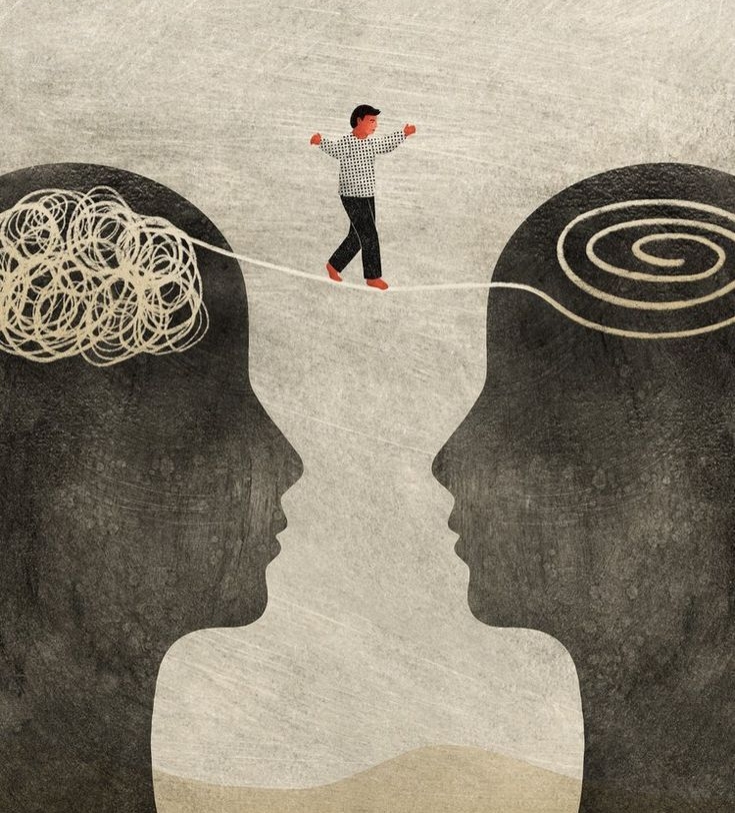
THIS COURSE IS FOR YOU IF:
– You already work with people and want to deepen the ethical foundations of your practice
– You are beginning to practise professionally and want to establish strong boundaries and protocols from the outset
– You work with energy, intuition or multidimensional modalities and want a framework for navigating what conventional practitioner training may not cover
– You are training towards practitioner-level work and want to understand the responsibilities that come with holding space for others
– You are an experienced practitioner and want to critically examine your own practice, blind spots and relationship to authority
WHAT YOU'LL LEARN
– Privacy · Confidentiality · Safeguarding · Boundaries
– Know yourself: Self-awareness · Parts · Projection · Counter-transference · Spiritual inflation
– Know your limits: Scope of practice · Authority · Referrals · Professional responsibility
– Work with power consciously: Privilege · Decolonisation · Gender · Hierarchy · Reciprocity
– Navigate multidimensional work: Divination and Ethics · Intuition · Gnosis · Space opening
– Practise in the real world: Professional relationships · Social media · Disclosure · Protocols
16 modules · 16 hours of teaching

The deeper your perception, the greater your responsibility.
Many practitioner trainings focus on developing skills, techniques and modalities. Far fewer explore the responsibilities that come with working closely with people, holding influence, navigating vulnerability, and engaging with intuition, subtle perception and multidimensional experience.
This training explores how to work with intuition, perception and subtle information without sensationalising your experiences, over-disclosing, creating dependency, or placing yourself above the person you are supporting. It invites practitioners to cultivate humility, discernment and self-awareness, recognising that ethical practice is not about proving what you can see, but about knowing how to hold what arises responsibly.
The Territory Between Learning a Modality and Becoming a Practitioner
Having a modality does not automatically prepare someone for the realities of practitioner work.
Practitioner Ethics explores the territory that often sits between formal training and real-world practice — the areas that can profoundly shape the safety, effectiveness and integrity of the work you offer.

The Things You Don't Necessarily Learn in Your Modality Training
How much of yourself to disclose?
What to do when a client idealises you?
How to recognise projection?
When to refer someone elsewhere?
How to work with your own triggers?
What happens when intuition conflicts with professional boundaries?
How to navigate power and authority?
How to recognise spiritual bypassing?
How to work ethically across cultures?
How to behave online as a practitioner?
BY THE END OF THIS TRAINING, YOU WILL HAVE:
– A stronger understanding of practitioner ethics and professional responsibility
– Greater awareness of your own boundaries, triggers and projections
– Tools for recognising transference, counter-transference and power dynamics
– A clearer understanding of your scope of practice and when to refer
– Greater awareness of privilege, cultural context and decolonisation
– A framework for ethical multidimensional and divinatory work
– Greater confidence in holding space without overstepping
– A stronger foundation for developing your own professional practice
LEARN FROM EXPERIENCED PRACTITIONERS
Together, they offer a rare meeting point between professional therapeutic experience, mental healthcare, energy medicine, trauma-informed approaches, lived multidimensional practice and decades of working directly with people creating an ethics training that is both deeply experiential and grounded in real-world practitioner responsibility.
To read full biography, please scroll down
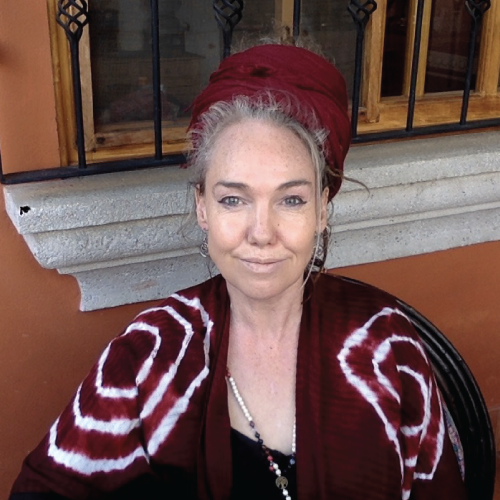
Padma Khandro
Consciousness innovator · Trauma specialist · Author · Practitioner · Teacher
Padma Khandro Victoria Sinclair brings over 20 years of experience working across energy work, mental healthcare, trauma, consciousness and cross-cultural practice, alongside extensive training in transpersonal psychology, decolonisation, ancestral work, altered states and integrative therapeutic approaches. Her work bridges diverse modalities, traditions and realms, informed by relationships with Indigenous elders and teachers across South America, Europe, Asia and Australia.

Maaike de Haan
Art therapist · Energy medicine practitioner · Teacher
Maaike de Haan brings her experience as an art therapist and holistic practitioner, combining psychotherapeutic training, higher education, energy medicine and ancient wisdom traditions. Alongside her international practice, she works within a specialised multidisciplinary therapy setting with children and teenagers, bringing a grounded, trauma-informed perspective to her work.
Good ethics as sacred activism and keys to a Golden Age

In the coming times, as the collective consciousness evolves and people seek deeper, more authentic healing experiences, clients are increasingly likely to choose practitioners who demonstrate a strong commitment to ethics in the healing arts. Ethical practitioners exude a sense of safety, trustworthiness, and groundedness, qualities that are essential for fostering meaningful therapeutic relationships.
Clients will naturally gravitate toward those who have taken the time to develop their ethical awareness, as this reflects a dedication to integrity, cultural sensitivity, and the ability to hold space responsibly. Moreover, having a solid ethical framework is not only vital for client safety but also for the practitioner’s own well-being and spiritual development. Practicing with clear boundaries, humility, and self-awareness prevents burnout, supports emotional regulation, and fosters a deeper alignment with one’s higher purpose. Ethics serve as a compass, guiding practitioners to act from a place of compassion and authenticity, enabling their growth as both healers and individuals.
These teachings are geared to help people understand the evolutionary leap to create causes and conditions to bring the Golden Age
From gifted to responsible practitioner
A foundational ethics training for multidimensional, spiritual, therapeutic and energy practitioners who want to develop the discernment, boundaries and self-awareness required to hold space responsibly.
16 hours · 16 modules · Recorded training · Option for certification
Module One – Privacy and Confidentiality
Privacy and confidentiality are fundamental principles in therapeutic contexts because they create a safe and trusting environment where clients feel secure enough to open up about deeply personal, sensitive, and sometimes traumatic experiences. When clients know that their thoughts, feelings, and experiences will not be shared without their consent, they are more likely to engage in the therapeutic process and explore difficult subjects.
Confidentiality is essential for maintaining respect for the client’s autonomy and dignity, ensuring that they have control over their personal information and how it is used. Without a clear understanding of privacy, clients may feel exposed or vulnerable, which can undermine the therapeutic relationship and hinder progress.
Module Two – Disclosure
This presentation explores the role of referrals and bridging tools for trauma-informed practitioners. We will examine the concept of referrals, including their purpose and the circumstances under which and when a referral is appropriate. The discussion will cover referral protocols for multidisciplinary practitioners, grounded in both psychotherapeutic and clinical perspectives, as well as general ethical standards, while at the same time addressing some of the current challenges within the healing community.
Module Three – Safeguarding
Safeguarding is an essential component in all therapeutic settings, ensuring the physical, emotional, and psychological safety of both clients and practitioners. In therapeutic work, individuals often share deeply personal, vulnerable aspects of their lives, and without robust safeguarding protocols in place, there is a risk of exploitation, harm or abuse. Practitioners must be proactive in establishing clear boundaries, informed consent, and confidentiality agreements, while also being aware of any potential signs of distress or danger within the therapeutic relationship.
Module Four – Practitioner Level of Disclosure: No Sensationalising
This module explores practitioner-level disclosure within divination and space-holding practices, with a focus on discernment, ethics, self-awareness and appropriate boundaries. It examines how practitioners can work responsibly with what they perceive without sensationalising, over-disclosing or making their experiences about proving what they can see. Through reflection on privacy, confidentiality, safeguarding, transference and counter-transference, self-disclosure, and the practitioner’s own energetic and emotional state, the module supports a grounded approach to holding space. It also invites practitioners to consider how they prepare themselves and their environment before sessions, recognise when a space is well or poorly held, and develop appropriate aftercare, referral and professional practices.
Module Five – Transference / Counter Transference
Transference and countertransference are important concepts in therapeutic settings, as they play a significant role in the dynamics between practitioner and client. Transference occurs when a client unconsciously projects feelings, experiences, or expectations from past relationships onto the therapist or practitioner. For example, a client might view the practitioner as a parental figure, transferring unresolved feelings from their relationship with a parent onto the therapeutic relationship. This can affect how the client behaves, reacts, and processes information in therapy, and if not addressed, can create distortions in the therapeutic work.
Module Six – Sympathy or Empathy and the Sacred Neutral
Empathy is a critical quality in therapeutic settings because it allows the practitioner to deeply understand and resonate with the client’s emotions and experiences without losing the ability to remain objective or neutral. Unlike sympathy, which can involve feeling pity or sorrow for someone, empathy creates a space where the client feels truly heard and supported, but not patronized or diminished. Sympathy can unintentionally place the practitioner in a superior position, reinforcing power imbalances and potentially disempowering the client. In contrast, empathy fosters a collaborative and equal relationship where the practitioner validates the client’s experience, while still holding the necessary boundaries to guide and support them.
Module Seven – Divination and Ethics
This module explores divination as a practice for accessing intuitive knowledge, archetypal patterns and perspectives beyond ordinary reasoning, while emphasising the ethical responsibility that comes with working in this way. Practitioners are invited to consider how divinatory insights can influence a client’s choices and perceptions, and the importance of maintaining integrity, transparency, discernment and respect for autonomy. The module also explores the development of personal experience, self-awareness and Gnosis as foundations for responsible divination, supporting practitioners to distinguish between genuine insight and personal projection. Through this combination of ethical practice and lived experience, practitioners can develop a deeper capacity for discernment and offer divination in a grounded, respectful and empowering way.
Module Eight – Privilege, Decolonisation and Spiritual Bypassing
This module explores decolonisation, privilege and power within therapeutic and spaceholding practices. It invites practitioners to examine how Eurocentric frameworks, inherited assumptions and systemic inequalities can shape healing environments and influence the practitioner–client relationship. Through developing awareness of their own positionality and privilege, practitioners are encouraged to recognise unconscious biases, power dynamics and potential ‘rescuer’ or paternalistic patterns that may unintentionally disempower those they work with. The module supports a more culturally aware, inclusive and reciprocal approach to practice, grounded in respect for each person’s lived experience, autonomy and context, and encourages practitioners to create spaces where people feel genuinely seen, heard and respected.
Module Nine – Refugee Awareness
Refugee awareness is crucial in working inclusively because it helps practitioners understand the unique challenges and experiences faced by individuals who have been displaced due to war, persecution, or violence. Refugees often carry trauma that affects their emotional, psychological, and physical well-being in complex ways, which requires sensitivity, empathy, and cultural competence from the practitioner.
Module Ten – Boundaries
Developing healthy boundaries is vitally important for practitioners in the healing arts, especially because they are often highly empathetic and deeply attuned to the emotional and energetic needs of their clients. Without clear boundaries, empathetic practitioners can easily become overwhelmed or over-extended, absorbing their clients’ emotions or energies, which can lead to burnout, compassion fatigue, or emotional entanglement.
Healthy boundaries allow practitioners to protect their own well-being while still providing compassionate, effective support to clients. They create a necessary separation between the practitioner’s personal experience and the client’s process, ensuring that the work remains focused, professional, and grounded.
Module Eleven – Mapping Yourself, Others and Space-holding
This module supports practitioners in developing greater self-awareness, discernment and clarity in how they hold space for themselves and others. It explores the importance of clear energetic and interpersonal boundaries, while offering a framework for understanding the different stages of consciousness development and the experiences that can arise through awakening and shifts in awareness. Practitioners are invited to examine common pitfalls, including spiritual inflation and the ‘Chosen One’ narrative, both within themselves and in those they work with. The module also explores how to recognise personal strengths and limitations, identify blind spots and red flags, and work within the appropriate scope of practice. Together, these teachings support practitioners to cultivate grounded, ethical and responsible spaceholding, with clear communication, appropriate authority and respect for each person’s individual process.
Module Twelve – Knowing Self, Knowing Parts
Understanding Parts, as outlined in Internal Family Systems (IFS), and Self-Energy is critically important for being a robust, ethical practitioner because it enables one to recognize and navigate their own internal dynamics, such as sub-personalities, wounds, and triggers, ensuring they approach clients with neutrality, empathy, and clarity while avoiding projections or over-identification with the client’s experiences.
Module Thirteen – Power Dynamics in the Workplace
This module explores power dynamics, boundaries and reciprocity within professional and space-holding environments. It considers how relationships, gender, hierarchy, favour, mentorship and informal power can shape interactions and influence the practitioner–client or practitioner–colleague dynamic. Through examining themes such as ‘sororising’, apprenticeship, reciprocity, natural and tribal law, and the responsibilities that come with holding influence or authority, the module encourages practitioners to recognise potential ethical pitfalls and unconscious patterns. It offers a grounded framework for navigating professional relationships with greater awareness, accountability, clear boundaries and respect for autonomy, while considering how power can be used responsibly and relationally within contemporary practice.
Module Fourteen – Space-holding, Intention Setting and Space Opening
Opening space is a foundational practice in multidimensional work, and while it may not be as emphasized in conventional psychotherapeutic settings, it is of crucial importance for those training in the healing arts and metaphysics. In these fields, practitioners engage with the subtle realms of energy, emotion, and spirit, where clients’ experiences often extend beyond the physical body and conventional therapeutic structures. Opening space involves intentionally creating a safe, sacred, and energetically clear environment, where the practitioner consciously aligns with the client’s process and sets the tone for healing. This ritualistic act of spaceholding helps to establish boundaries, facilitate a deeper connection, and invite the appropriate energies or insights to flow, allowing the healing work to unfold naturally.
Module Fifteen – Ethics and Social Media
In this section, we delve into the ethical implications of using social media as a tool for promoting therapeutic and healing work. Focusing on the delicate balance between personal branding and maintaining professional boundaries, this lesson delves into how overexposing your personal image can impact trust, confidentiality, and the therapeutic relationship. We also explore the concept of “energy harvesting,” where practitioners may unknowingly or knowingly exploit their audience’s emotional or energetic investments for personal gain. You’ll gain insights into how to maintain a grounded, authentic online presence that stays true to your ethical responsibilities, avoiding the temptation to create a persona that deviates from your true values, all while navigating the complexities of marketing in a digital age.
Module Sixteen – Ethics and Protocols for Multidimensional Practitioners
This module explores the ethical foundations, boundaries and responsibilities of working as a multidimensional practitioner. It invites practitioners to develop a grounded and self-reflective approach to their work, recognising the role of ego, the importance of non-duality, and the responsibilities that arise when working across different dimensions and with clients, entities and unseen aspects of experience. The module supports practitioners to clearly map the scope and limits of their practice according to their training, qualifications and experience, while developing awareness of personal blind spots, red flags and potential pitfalls. It also explores authority, communication, active listening, boundaries and appropriate questioning, providing a framework for working with greater clarity, integrity, discernment and ethical responsibility.
ACCREDITATION
On completion of the training, IPHM accreditation via Dharma STARS as an Executive Training Provider is available, subject to completion of the course requirements.
IMPORTANT NOTE
This course is not a substitute for high-level accredited practitioner training. For those who wish to make healing work their profession, it is essential to pursue comprehensive certification or diploma programs. Dharma STARS will soon offer this as a certified Ethics course, but this is foundational and if you wish to become a healthcare professional you will need to undertake further training. There are many other established training organizations that provide robust pathways for skill development and professional growth.
Please note that in order to proceed to related courses such as Sekhem Master level you will need to undertake and successfully complete a quiz. If you wish to be a Dharma STARS affiliated practitioner you will, in the longer term, need to fulfil the accreditation protocols for the certified version of this course at extra cost.
Furthermore, this course is designed for practitioners working with adults who are not part of a Mental Health referral. If you wish to work with children, persons with complex diagnoses, those with life-threatening tendencies towards violence or addictions or marginalised groups you need to complete relevant training for these demographics. Please note that to work with many of the above groups you may need (in many countries) to do a CRB check.

Dharma STARS
COURSE PRICING
If you need a payment plan or are experiencing a hardship, please contact us to set this up at dharmastars.org@gmail.com.
A payment plan rate differs from when you pay in full. The normal energy exchange for that is £335 in total.
SUPPORTED
TIER 1
£288
Reserved for people who are facing hardship, single parents and from developing countries.
- 16h of teaching materials
- recorded teachings of all sections
- option for certification
STANDARD
TIER 2
£310
The standard contribution for the training.
- 16h of teaching materials
- recorded teachings of all sections
- option for certification
SUSTAINING
TIER 3
£333
For those able to contribute a little more towards sustaining Dharma STARS' educational work.
- 16h of teaching materials
- recorded teachings of all sections
- option for certification
Padma Khandro Victoria Sinclair
Course Co-ordinator & Teacher
Padma Khandro Victoria Sinclair is a Worldwide respected consciousness innovator having facilitated community trainings and events for over 20 years. She is a trauma specialist originally from Belfast, N.Ireland and works bridging realms and modalities in innovation and unique ways for each client or group’s needs.
Padma Khandro is well-known as a culture bridge-maker in her integral work with a broad range of recognised indigenous elders and teachers in S. America, Europe, Asia and Australia.
Her training background includes; Transpersonal Psychology, Epigenetics, Trauma work, Pranayama, Kundalini Yoga, Plant medicines, De-colonisation and Quantum, sound and ancestral practices. She is also a plant communicator and trainer of Sekhem Healing, Serpent Codes, Quantum Consciousness, Fundamental Energetics and Altered States of Consciousness. Her fusion trauma informed approaches bridge shamanism, IFS, CRM, Sensorimotor Psychotherapy, Quantum Transfiguration and Ancestral work.
She has been working as a practitioner in Energy Work and Mental Healthcare settings for 20 years. Recently she has become a practitioner of Kalachakra Highest Yoga Tantra, studying with Khentrul Rinpoche and the Dzokden organisation.
Maaike de Haan
Course Teacher
Maaike de Haan is an art therapist and holistic practitioner with a background in higher education and energy medicine, who has devoted her life to studying and working within the Healing Arts.
Maaike weaves a fusion of modalities, anchoring her natural intuitive and empathic gifts in psychotherapeutic training and initiations into ancient wisdom and energy medicine lineages, resulting in a grounded holistic and trauma- informed approach.
Maaike currently works as a resident art therapist with children and teenagers, as part of a multi-disciplinary team at a specialised therapy practice in the North of the Netherlands, in addition to being practitioner working internationally online and in-person.
Subscribe to our Mailing list
Be the first to receive the latest updates, news, and exclusive offers.
I have read and agree to the terms & conditions.